

A practical checklist for remote patient monitoring: define the care decision, verify intended use and evidence, then test usability, data quality, integration, security, and the response workflow.
What should happen after a reading reaches the clinic? If the answer is unclear, choosing a sensor first will not solve the real problem.
Remote patient monitoring, or RPM, is a care process. A device can collect and transmit a measurement, but the program still needs a defined patient group, a clinical purpose, reliable data, a person responsible for review, and a documented response. A connected device alone does not guarantee better outcomes, prevent complications, or provide an immediate intervention.
Start with the care decision
Define the decision before comparing products. Write down:
- who will be monitored and why;
- which measurement is needed;
- how often it must be collected;
- who reviews it and during which hours;
- which result leads to a repeat measurement, contact, or escalation;
- what the patient should do when urgent symptoms occur.
If no action follows a reading, collecting more data may only create more work. RPM is also not an emergency service unless a specific program explicitly provides and staffs that function.
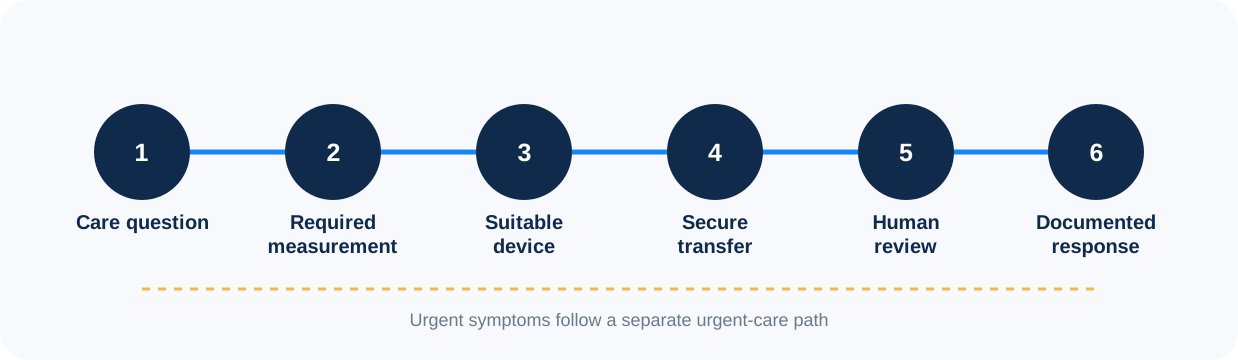 Choose and test the complete pathway, not only the sensor.
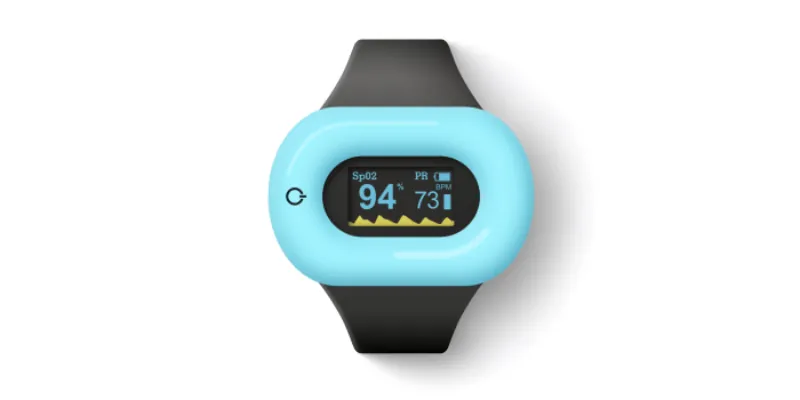
CMS describes remote physiological monitoring in the US Medicare context as the use of a connected medical device to collect and transmit physiological data for management by a healthcare professional. Examples include blood pressure, blood glucose, oxygen saturation, and weight. These examples normally require separate, purpose-built devices. They do not mean that one wearable measures every parameter.
Check what the system actually measures
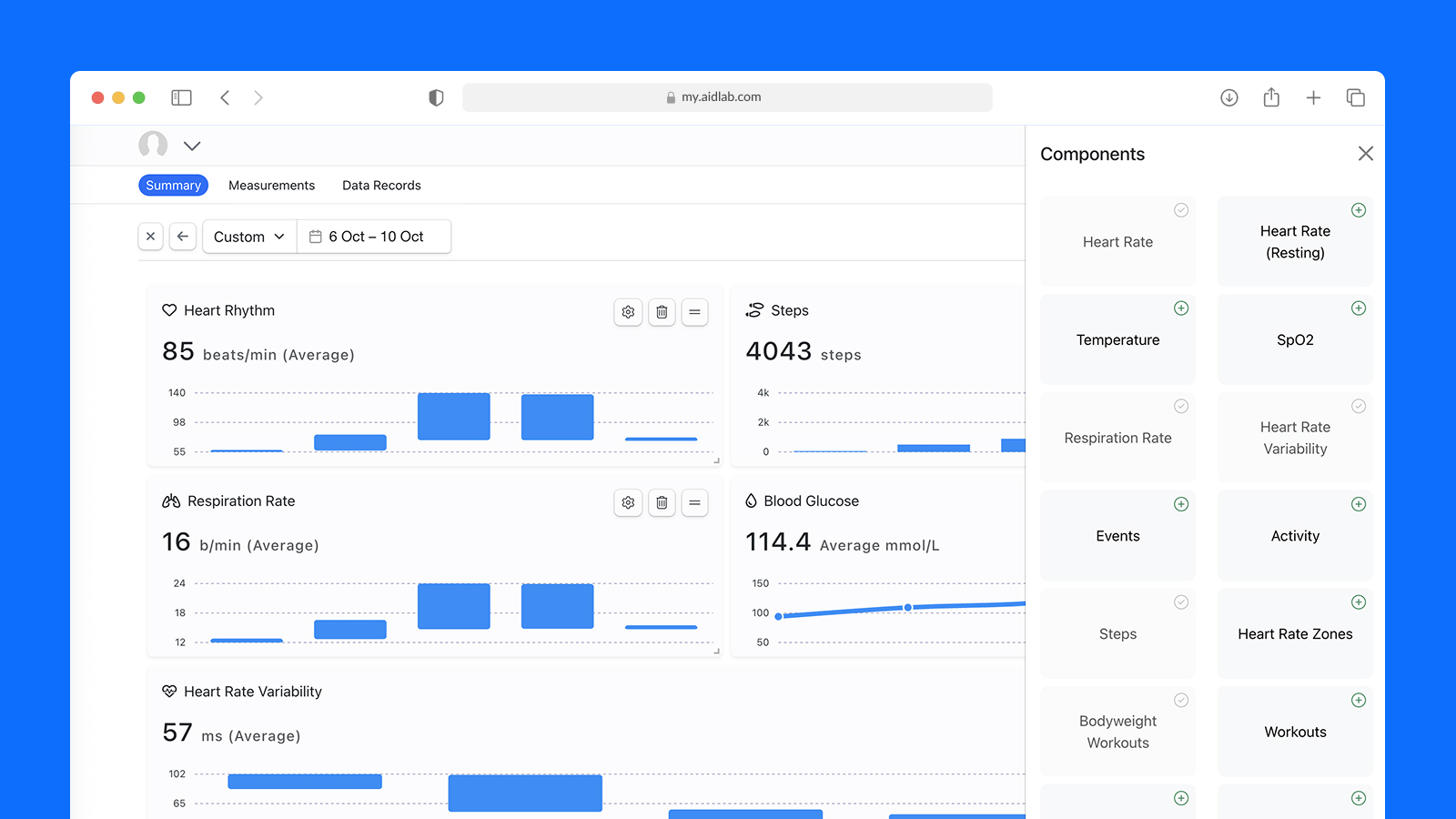
The name of a dashboard component does not tell you where its data comes from. For every value, identify its provenance:
- Measured: recorded directly by a sensor.
- Imported: received from another device or health platform.
- Entered: typed by a patient or member of staff.
- Derived: calculated from one or more inputs by software.
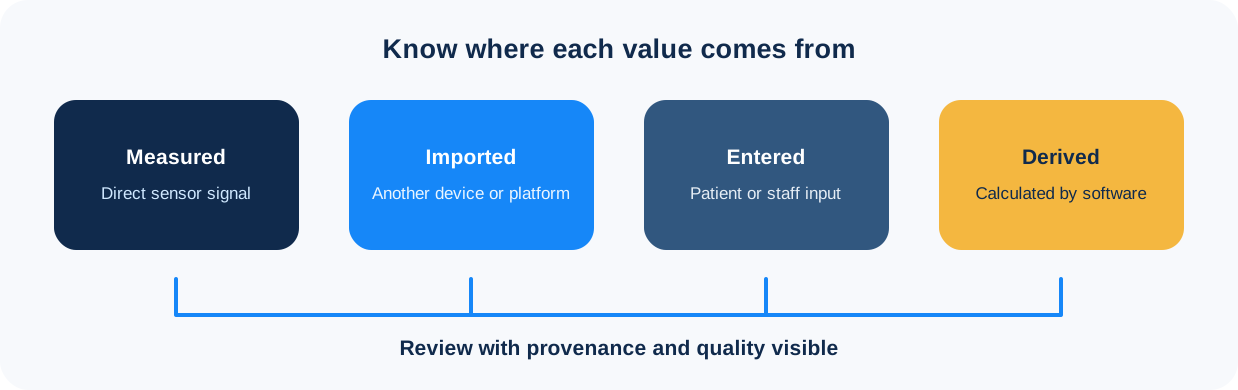 Provenance should remain visible from collection to review.
This distinction directly matters for Aidlab. Aidlab can record supported chest signals such as single-lead ECG, respiration, movement, body position, and skin temperature, depending on the model and configuration. It does not directly measure blood pressure or glucose. Those values may appear in an app after manual entry or import, but that does not turn them into Aidlab sensor measurements.
Ask what happens when data are missing, delayed, duplicated, or marked as low quality. A clean chart that silently removes failed measurements can create more confidence than the underlying data justify.
Match intended use and evidence
Check the exact model, software version, accessories, patient population, measurement site, instructions for use, country, and claimed purpose. Broad terms such as "health wearable", "clinical grade", or "certified" are not enough.
Intended purpose has regulatory meaning. FDA guidance distinguishes functions intended for diagnosis, treatment, mitigation, or prevention. In the EU, the Medical Device Regulation connects intended purpose with the label, instructions, promotional materials, and clinical evaluation. A CE mark or an FDA listing is not a universal certificate of accuracy for every metric and use.
When a supplier says a device is validated, read the study. Look for:
- the reference method;
- the number and characteristics of participants;
- the activities and environments tested;
- the hardware and software version;
- missing-data and failure rates;
- bias and limits of agreement, not only correlation;
- subgroup results, funding, and conflicts of interest.
Evidence should resemble the intended use. Accuracy at rest in healthy adults does not establish performance during movement, sleep, poor sensor contact, or in a different patient population.
Clinical outcomes need evidence for the complete intervention. In the structured TIM-HF2 program, a defined group of patients with heart failure achieved specified benefits. The BEAT-HF intervention did not reduce 180-day readmissions. TASMINH4 studied home blood-pressure readings used by clinicians to guide treatment. These results show why evidence for one program cannot be transferred to every device or workflow.
Test the real workflow and data path
Patients need to fit, charge, pair, clean, and troubleshoot the equipment. Staff need to recognize missing or implausible data without spending the day managing technical failures. A pilot should involve people who resemble the intended users and should include accessibility, language, dexterity, vision, connectivity, and caregiver support.
Draw the route from sensor to clinical record:
- measurement at the device;
- transfer to a phone or gateway;
- storage and processing;
- identity matching and timestamp handling;
- presentation in the clinical workflow;
- retention, export, correction, and deletion.
FHIR can support structured exchange, but an API or FHIR endpoint does not guarantee semantic compatibility. Test units, codes, timestamps, device identity, signal quality, provenance, and missing values. The HL7 Observation resource also makes an important distinction: a measurement is not automatically a diagnosis.
Test failure paths too. Check what happens when a phone is offline, the device clock drifts, a sensor disconnects, a reading is uploaded twice, or data arrive after the day has already been reviewed.
Real time is not response time
"Real time" describes transmission speed, not a guaranteed clinical response. For every threshold or algorithm, define:
- the clinical rationale and expected error rate;
- who receives the notification;
- operating hours and expected response time;
- the information shown with it;
- the documented next step;
- the separate instructions for urgent symptoms.
An alert only helps when responsibility is clear. Pilot the alert volume before scaling. A program that generates more notifications than the team can safely review is not ready for deployment.
Include privacy, security, and total cost
Map which data are collected, why they are needed, where they are stored, who can access them, and how long they are retained. Apply the rules relevant to each market. HIPAA and GDPR are examples from different jurisdictions, not interchangeable global checklists.
Review authentication, roles, encryption, audit trails, updates, vulnerability reporting, incident response, backups, and supplier responsibilities. Connected medical devices need ongoing cybersecurity risk management because loss of availability or integrity can affect care.
The purchase price is only one cost. Include onboarding, accessories, replacements, connectivity, support, integration, staff review time, escalation, training, maintenance, and patient dropout. Define success before the pilot. Useful measures may include valid-data days, setup failures, support contacts, review time, alert burden, completion, and an outcome appropriate to the program.
Where Aidlab and Aidmed One fit
Aidlab and Aidmed One are different products with different intended uses.
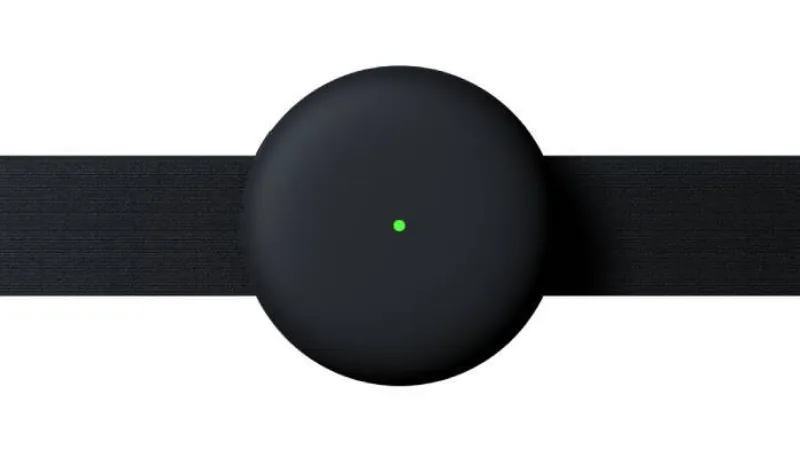
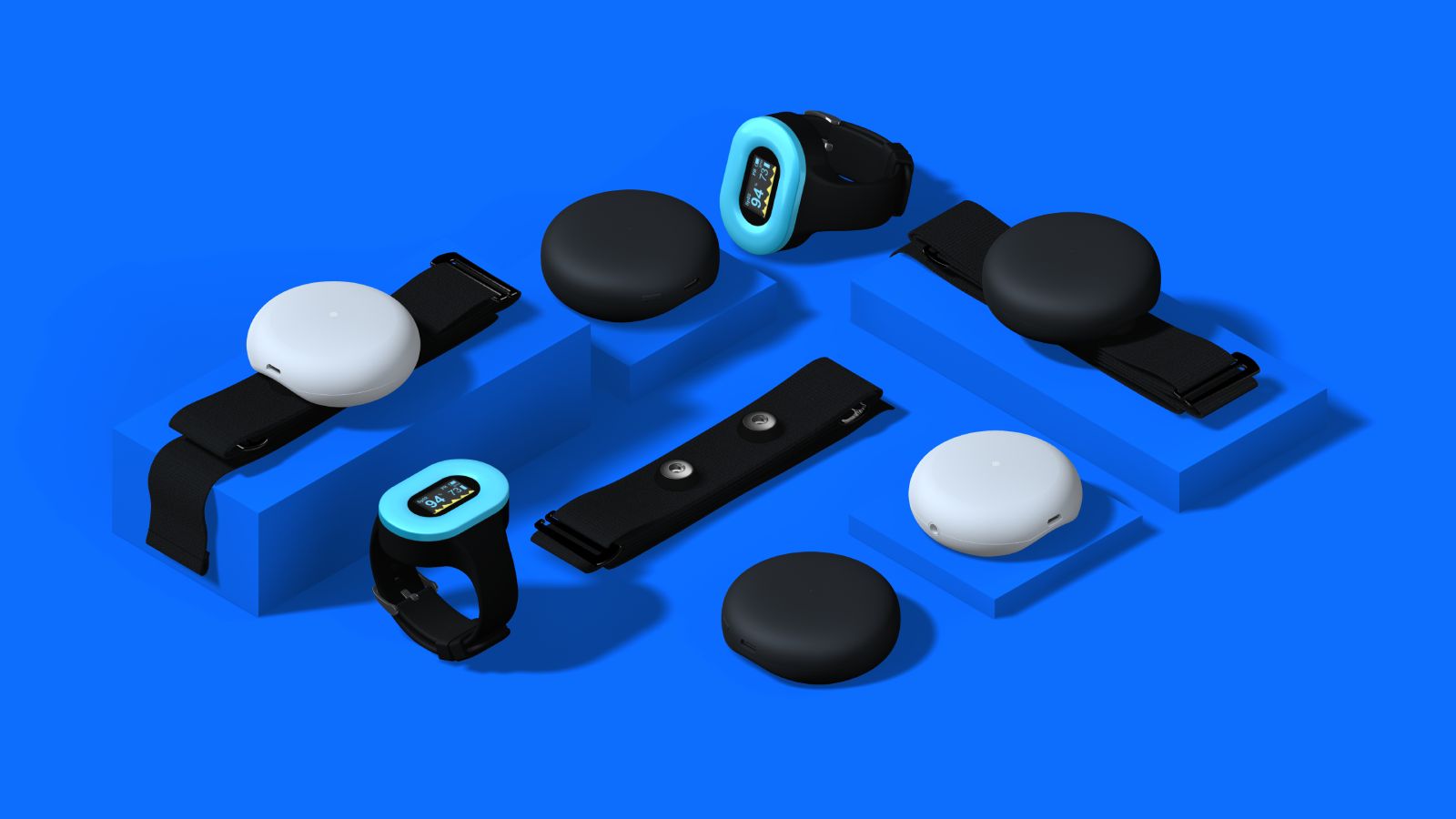
Aidlab is a wellness and research device. Depending on the model, software, accessories, and region, it can record supported signals such as single-lead ECG, respiration, movement, body position, and skin temperature, and derive related metrics. It is not a medical device and should not be used for diagnosis, treatment, emergency detection, or clinical monitoring.
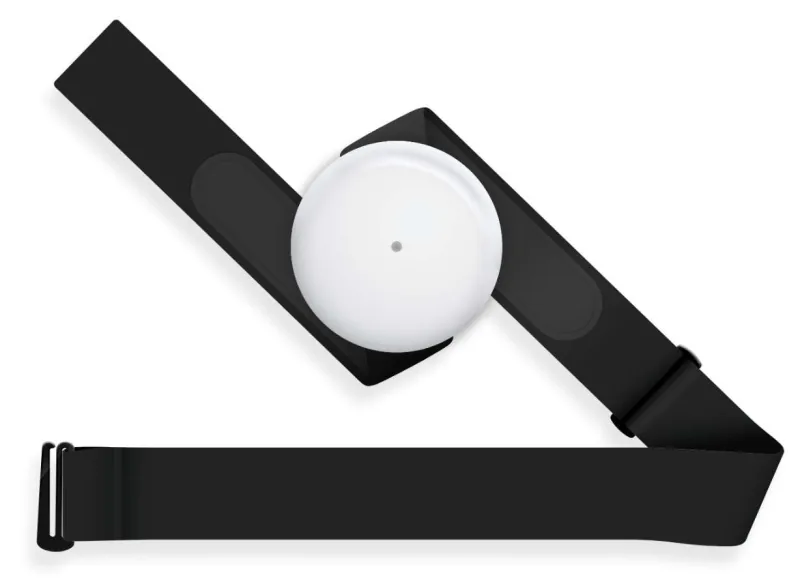
Aidmed One is presented by Aidlab as a medical device for collecting and analyzing physiological parameters in a professional care process. Its suitability for a specific use depends on the current instructions for use, certified scope, accessories, market, evidence, and care protocol. The organization still needs to design clinician review and escalation.
Final checklist
Before choosing an RPM system, confirm that:
- the care decision and responsible team are defined;
- the exact device is intended for the population, purpose, and region;
- validation uses an appropriate reference and realistic conditions;
- intended users can operate it reliably;
- the source and quality of every value are visible;
- integration preserves units, time, identity, and provenance;
- the team can safely manage the expected workload;
- privacy, cybersecurity, support, and updates have owners;
- the pilot measures failures and workload as well as benefits;
- patients understand the limits of the service and the urgent-care pathway.
The right monitoring system produces trustworthy data inside a workable and safe process. Choose that process first. Then choose the device that can support it.
Sources
- CMS: Telehealth and Remote Patient Monitoring
- FDA: intended medical purpose
- EU Medical Device Regulation 2017/745
- FDA: human factors and usability engineering
- HL7 FHIR R4 Observation
- FDA: cybersecurity in medical devices
- TIM-HF2 randomized trial
- BEAT-HF randomized trial
- TASMINH4 randomized trial
- Aidlab: intended use and safety
- Aidlab: measurement ranges and accuracy