


Form factor
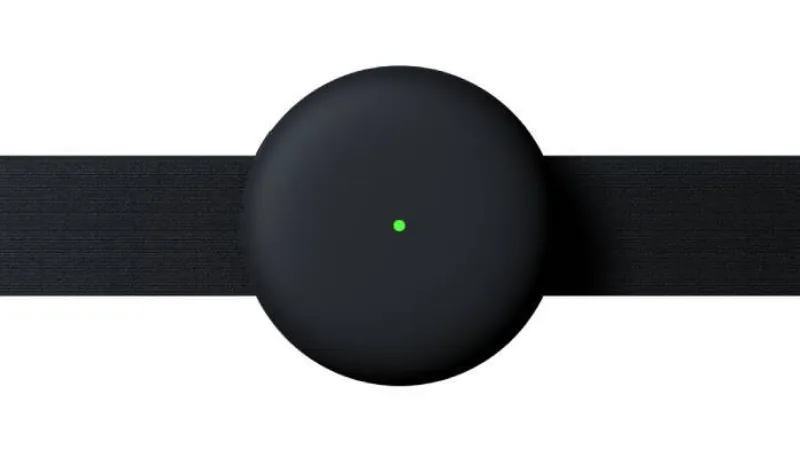
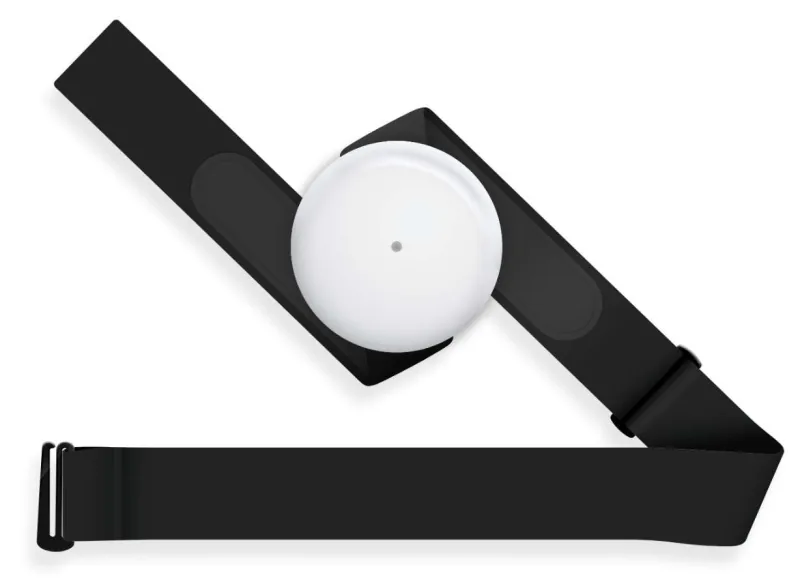
Aidlab 2
Reusable chest module attached to an electrode strap
Hexoskin Smart Shirt
Sensorized smart shirt with a recording module
Hexoskin Smart Shirt pairs a fitted sensorized garment with 1-lead ECG and dual RIP respiration. Aidlab 2 uses a reusable chest module and adds EDA, skin temperature, 9-axis motion, microphone, and GNSS to its ECG and chest-respiration workflow.
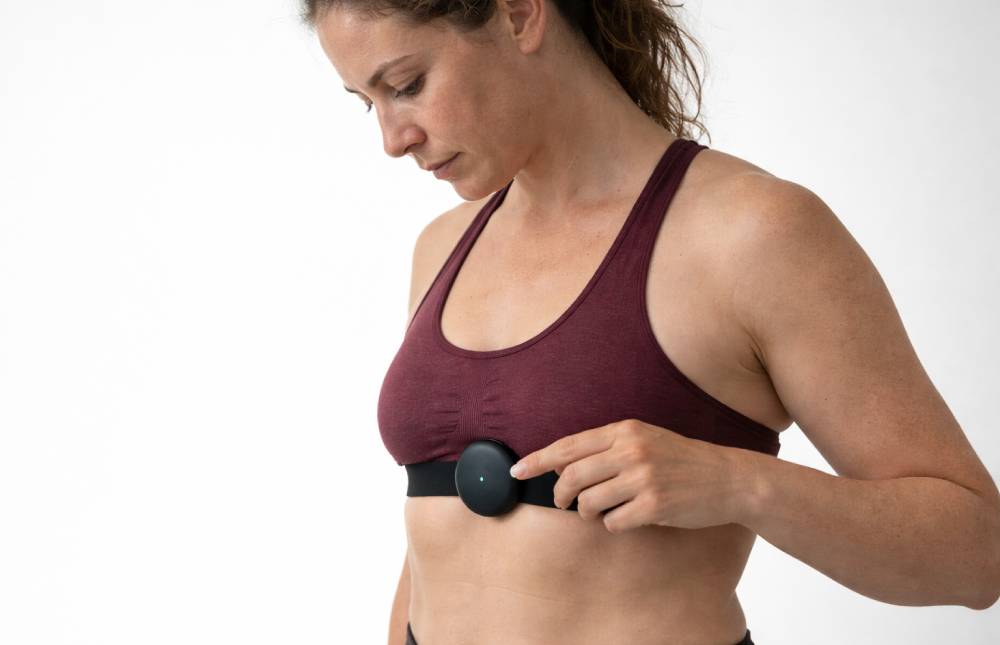
Sensorized garment plus a detachable recording device
This decision guide is Aidlab's interpretation of the documented capabilities below, not a controlled head-to-head result.
This is a choice between a reusable chest module and an instrumented garment. Hexoskin documents more explicit respiration-channel separation; Aidlab 2 documents more modalities in the compact module.
The rows distinguish the physical setup from the signals and software path. They do not infer comfort, adherence, or accuracy without a controlled study.
| Criterion | Aidlab 2 | Hexoskin Smart Shirt | Editorial interpretation |
|---|---|---|---|
| Form factor | Reusable chest module attached to an electrode strap | Sensorized smart shirt with a recording module | |
| Cardiac signal | 1-lead ECG, heart rate, and RR intervals | Single-lead ECG on the Smart Shirt; additional ECG channels are model-dependent | |
| Respiration | Chest-movement waveform and respiration rate | Raw thoracic and abdominal RIP waveforms plus derived breathing metrics | |
| Additional sensing | EDA, skin temperature, 9-axis motion, microphone, and GNSS | 3-axis acceleration on Smart Shirt; other signals vary by product | |
| Data access | Live SDK streams plus internal recording and later synchronization | REST API and downloads in JSON, binary, CSV, or EDF depending on data | |
| Best fit | Reusable kits, custom apps, field studies, and multimodal prototyping | Garment-centered cardiopulmonary and longitudinal protocols |
Aidlab 2
Reusable chest module attached to an electrode strap
Hexoskin Smart Shirt
Sensorized smart shirt with a recording module
Aidlab 2
1-lead ECG, heart rate, and RR intervals
Hexoskin Smart Shirt
Single-lead ECG on the Smart Shirt; additional ECG channels are model-dependent
Aidlab 2
Chest-movement waveform and respiration rate
Hexoskin Smart Shirt
Raw thoracic and abdominal RIP waveforms plus derived breathing metrics
Aidlab 2
EDA, skin temperature, 9-axis motion, microphone, and GNSS
Hexoskin Smart Shirt
3-axis acceleration on Smart Shirt; other signals vary by product
Aidlab 2
Live SDK streams plus internal recording and later synchronization
Hexoskin Smart Shirt
REST API and downloads in JSON, binary, CSV, or EDF depending on data
Aidlab 2
Reusable kits, custom apps, field studies, and multimodal prototyping
Hexoskin Smart Shirt
Garment-centered cardiopulmonary and longitudinal protocols
Hexoskin sampling rates are model-specific published specifications.
Garment sizing, participant setup, recording hardware, and the data hand-off are part of the product decision—not footnotes after it.
Aidlab 2
Attach the reusable module to a compatible electrode chest strap.
Hexoskin Smart Shirt
Select a fitted Smart Shirt, prepare electrode contact, and connect its recording device.
The setups place different demands on sizing, inventory, and participant preparation.
Aidlab 2
Capture ECG, chest movement, EDA, temperature, motion, and other published Aidlab 2 modalities.
Hexoskin Smart Shirt
Capture 1-lead ECG, thoracic and abdominal RIP, and 3-axis acceleration through the shirt system.
Hexoskin separates two respiration zones; Aidlab 2 publishes a broader compact sensor set.
Aidlab 2
Build around Aidlab SDK access and the product’s published internal-storage workflow.
Hexoskin Smart Shirt
Use Hexoskin API access and documented JSON, CSV, binary, or EDF exports as applicable.
Confirm the exact file granularity and integration path during protocol design.
Every capability above links to the manufacturer documentation used.
Last reviewed
Official model-specific signals, form factor, intended use, and availability.
Official signal definitions, units, storage behavior, and SDK callbacks.
Official integration documentation for supported platforms.
Official raw ECG, respiration, accelerometer, RR interval, API, and export documentation.
Official model-level ECG, dual RIP respiration, acceleration, and sensor placement specifications.
Official garment construction, sizing, and separate-device requirement.
Official participant setup, electrode-contact, garment, and application workflow.
Compare the required signals, recording mode, connectivity, and data path before choosing a device.