

Form factor
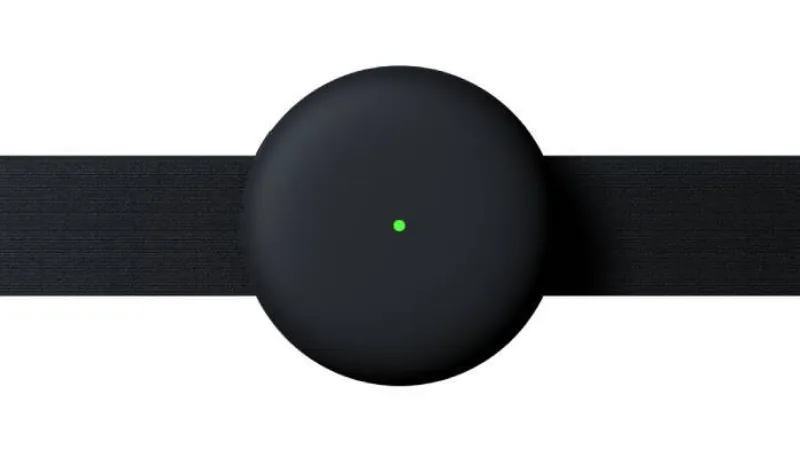
Aidlab 1
Chest-worn module used with an electrode strap
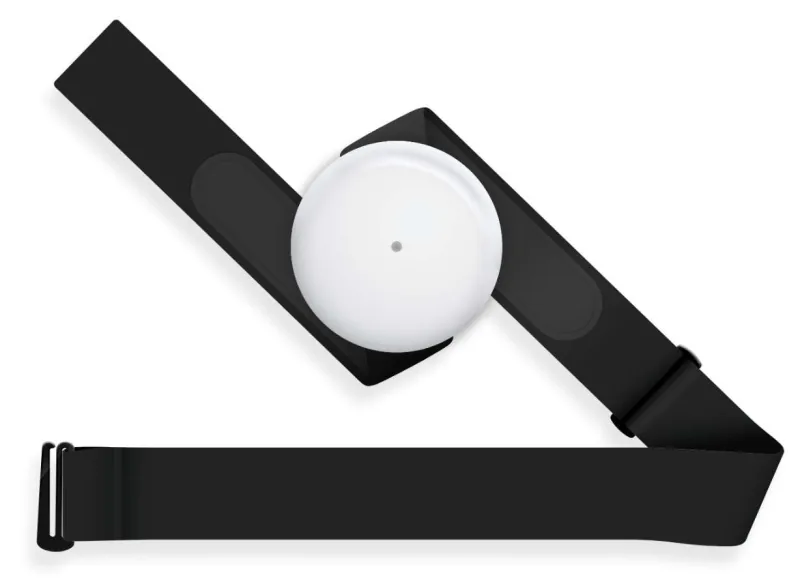
Polar H10
Chest-strap heart-rate sensor
Polar H10 centers on heart rate, RR intervals, and sports connectivity. Aidlab 1 adds a respiration waveform, skin temperature, and 9-axis motion to a chest-worn ECG workflow.
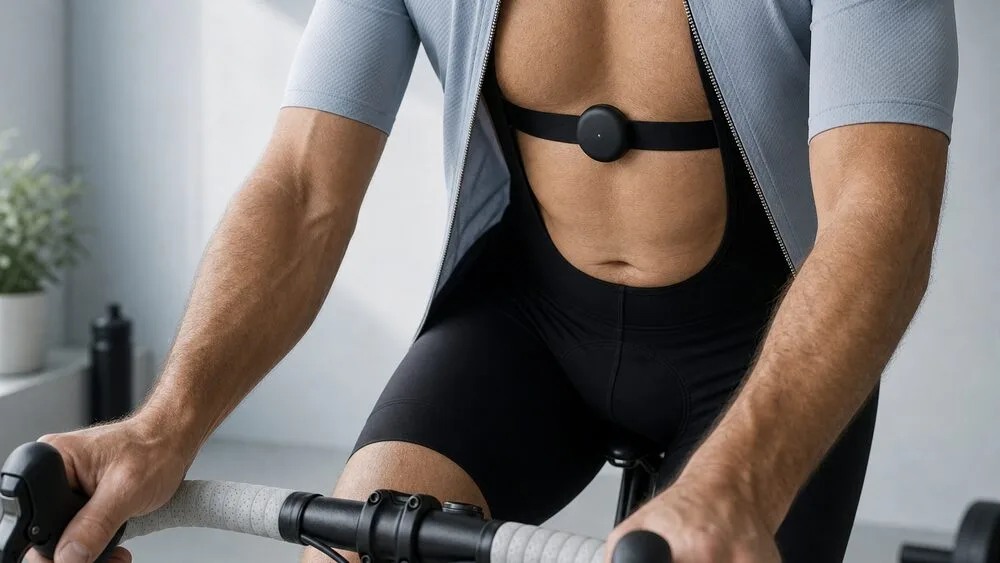
Chest-strap heart-rate sensor
This decision guide is Aidlab's interpretation of the documented capabilities below, not a controlled head-to-head result.
The practical choice is multimodal chest physiology or a focused sports heart-rate ecosystem. This page does not claim that either device is more accurate.
The specifications below describe what each manufacturer documents. They are not the result of a controlled head-to-head study.
| Criterion | Aidlab 1 | Polar H10 | Editorial interpretation |
|---|---|---|---|
| Form factor | Chest-worn module used with an electrode strap | Chest-strap heart-rate sensor | |
| Cardiac data | 1-lead ECG at 250 Hz (configurable), heart rate, and RR intervals | Live heart rate and RR intervals; raw ECG at 130 Hz through Polar BLE SDK | |
| Respiration | Chest-movement waveform and respiration rate | No respiration channel is listed for Polar H10 | |
| Motion and temperature | Skin temperature plus accelerometer, gyroscope, compass, and body position | 3-axis acceleration at documented selectable rates | |
| Offline recording | Selected signals can be stored internally and synchronized later | One internal HR-only recording with a one-second sample time | |
| Connectivity | Bluetooth connectivity and Aidlab application SDKs | Two Bluetooth connections, ANT+, GymLink, and Polar BLE SDK |
Aidlab 1
Chest-worn module used with an electrode strap
Polar H10
Chest-strap heart-rate sensor
Aidlab 1
1-lead ECG at 250 Hz (configurable), heart rate, and RR intervals
Polar H10
Live heart rate and RR intervals; raw ECG at 130 Hz through Polar BLE SDK
Aidlab 1
Chest-movement waveform and respiration rate
Polar H10
No respiration channel is listed for Polar H10
Aidlab 1
Skin temperature plus accelerometer, gyroscope, compass, and body position
Polar H10
3-axis acceleration at documented selectable rates
Aidlab 1
Selected signals can be stored internally and synchronized later
Polar H10
One internal HR-only recording with a one-second sample time
Aidlab 1
Bluetooth connectivity and Aidlab application SDKs
Polar H10
Two Bluetooth connections, ANT+, GymLink, and Polar BLE SDK
Published sampling rates describe data delivery, not measurement accuracy. Polar H10 live HR/RR output is separate from its single internal HR-only recording.
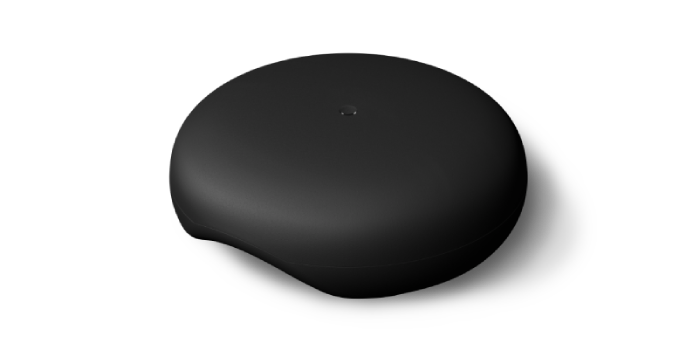
The important difference is not where the sensor sits, but which signals can travel live, remain on the device, or reach sports equipment.
Aidlab 1
ECG, RR intervals, respiration, temperature, and motion through Aidlab application SDKs.
Polar H10
Heart rate, RR intervals, raw ECG, and acceleration through Polar BLE interfaces.
Both support developer access, but the documented live modalities differ.
Aidlab 1
Selected supported signals can be stored internally and synchronized later.
Polar H10
One HR-only exercise can be stored internally at a one-second sample time.
Offline recording exists on both devices, but it is not the same dataset.
Aidlab 1
Bluetooth plus Aidlab host SDKs for custom applications.
Polar H10
Two Bluetooth connections, ANT+, and GymLink for sports-device compatibility.
Polar documents more broadcast paths; Aidlab documents a broader multimodal host workflow.
Every capability above links to the manufacturer documentation used.
Last reviewed
Official model-specific signals, form factor, use cases, and availability.
Official signal definitions, units, storage behavior, and SDK callbacks.
Official published sampling rates, resolution, and measurement ranges.
Official storage behavior and hardware-version limits for Aidlab 1.
Official workflow for retrieving measurements stored by Aidlab 1.
Official product features, connectivity, memory, and sensor description.
Official model-specific ECG, RR interval, acceleration, and recording capabilities.
Compare the required signals, recording mode, connectivity, and data path before choosing a device.