
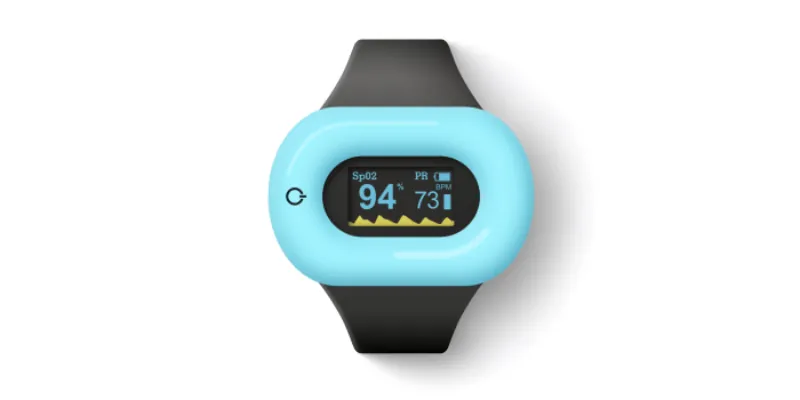

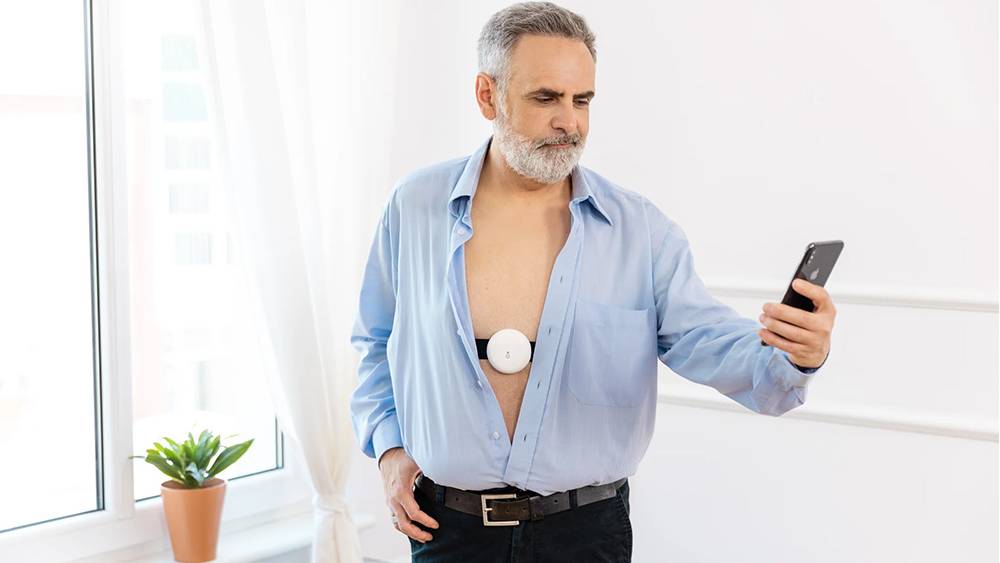
Heart rate, HRV, respiration, skin temperature, movement, and sleep estimates are most useful as trends in context. Learn how to compare them without turning a wearable reading into a diagnosis.
A wearable can collect thousands of measurements before breakfast. The difficult part is deciding which changes mean something.
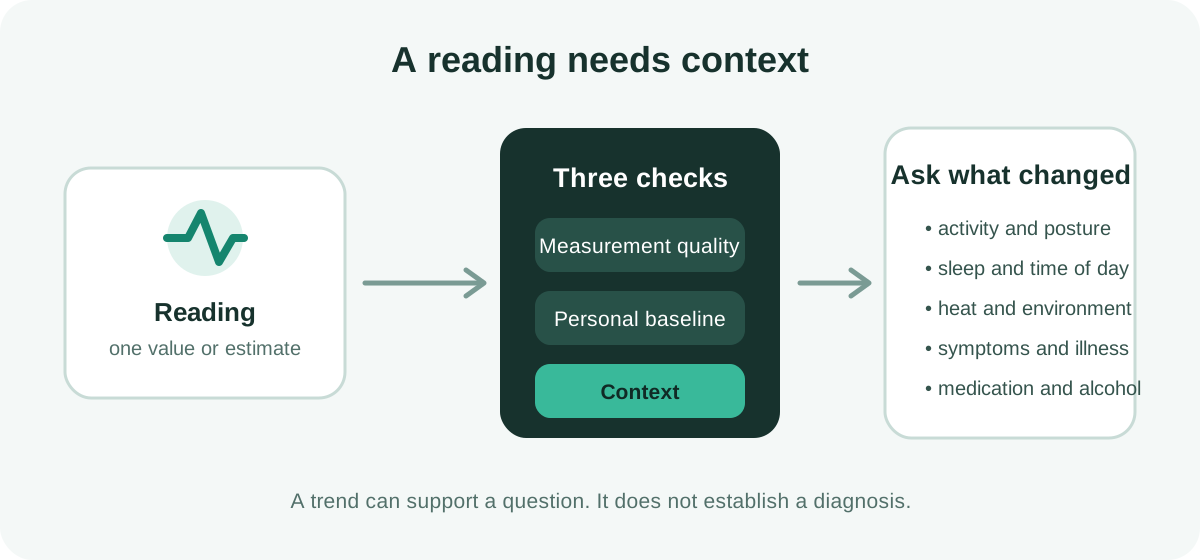
Heart rate, heart-rate variability (HRV), respiration, movement, sleep estimates, and skin temperature all respond to context. Exercise, posture, breathing, alcohol, sleep, ambient temperature, sensor contact, medication, and illness can change one or more of them. A single unusual value rarely explains why it changed.
The useful question is not “What condition does this number diagnose?” It is: “Was this measurement collected well, under comparable conditions, and is the change repeatable?”
Aidlab can help you record and review supported biosignals over time. It is a wellness and research device, not a medical device. Its measurements and estimates do not diagnose illness, detect emergencies, or replace medical testing.
Heart rate: match the number to the activity
Heart rate changes quickly with effort, posture, heat, hydration, stimulants, emotion, and recovery. During training, it can help describe how hard your cardiovascular system was working in that session. At rest, repeated measurements collected under similar conditions can provide a personal reference.
Age-based maximum-heart-rate formulas are rough population estimates. In the HERITAGE study, both 220 − age and 208 − 0.7 × age showed wide individual error compared with measured maximum heart rate. Use an age estimate as a starting point, not a personal ceiling or a diagnosis.
For a cleaner comparison:
- compare the same activity and a similar route or workload;
- use the same device and placement;
- note heat, caffeine, alcohol, sleep, medication, and recent illness;
- look at several sessions before changing a plan;
- ask a qualified coach or healthcare professional when a decision carries meaningful risk.
An unusually high or low reading can have many explanations, including measurement error. Symptoms matter more than a dashboard. Chest pain, fainting, severe shortness of breath, or other urgent symptoms require appropriate medical help, regardless of the wearable reading.
HRV: a comparison needs a consistent protocol
HRV describes variation in the time between successive heartbeats. Its value depends on how the signal was recorded, how artifacts were handled, recording length, body position, breathing, time of day, and the metric being reported.
That is why HRV is most useful when the protocol stays stable. Compare the same metric, measured at a similar time and in a similar position, across multiple days. One higher or lower value does not identify stress, overtraining, heart disease, or a specific state of the autonomic nervous system.
Scientific standards have emphasized recording and analysis conditions for decades. Updated guidance also warns against interpreting HRV as a simple “sympathetic versus parasympathetic balance” score. It is a signal that becomes useful in context, not a one-number explanation of the body.
Respiration: rate is only part of the pattern
Breathing changes with exercise, speech, posture, emotion, sleep, and deliberate breath control. A chest-worn sensor can make those changes visible and help compare similar sessions, such as paced breathing, rest, or a repeated workout.
Movement and sensor contact can affect respiratory estimates. Validation studies of wearables also vary in reference method, population, and conditions. Before interpreting a change, check whether the recording was made during the same activity and whether the signal remained clean.
Aidlab does not diagnose hyperventilation or guarantee that it will recognize a dangerous breathing event. If breathing feels difficult, dizziness persists, or symptoms are severe or sudden, stop relying on the measurement and seek appropriate medical care.
Skin temperature is not core temperature
Skin temperature reflects the local surface where the sensor touches the body. It is affected by blood flow, clothing, room temperature, exercise, moisture, fit, and measurement location. It should not be read as an oral, tympanic, rectal, or other core-temperature measurement.
Its practical value lies in repeatable context. You might compare overnight values at the same sensor location or observe how the surface reading changes across a familiar activity. Even then, a trend does not establish fever, infection, thyroid disease, or another diagnosis.
Thyroid function is evaluated with clinical assessment and laboratory tests. The American Thyroid Association identifies blood TSH as the usual initial test. A low skin-temperature reading from a wearable cannot diagnose hypothyroidism.
Sleep and movement: estimates reveal patterns, not sleep disorders
Wearables infer sleep from signals such as movement, heart rate, and breathing. They do not directly measure brain activity in the way clinical sleep testing can. Estimates can help you compare bedtime regularity, time at rest, movement, or recurring changes across several nights.
Avoid treating a stage percentage or sleep score as a verdict. The American Academy of Sleep Medicine states that consumer sleep technology without appropriate validation and authorization should not be used to diagnose or treat sleep disorders. Persistent insomnia, loud snoring with breathing pauses, excessive daytime sleepiness, or other concerns deserve clinical evaluation even if an app reports a normal night.
A five-step routine for useful comparisons
1. Choose one question
Examples: “Is my resting heart rate stable when measured after waking?” or “How does my breathing pattern differ between the same easy run and a harder session?” Avoid questions that ask the wearable to diagnose a disease.
2. Standardize the measurement
Use the same device, fit, body position, time window, and activity where possible. Clean and position sensors according to the instructions.
3. Record the context
Add short notes about training, sleep, alcohol, caffeine, heat, medication changes, symptoms, travel, and sensor problems. Context often explains a chart better than another algorithm.
4. Look for a repeatable trend
Compare several valid recordings. Separate a gradual change from one noisy session. Do not combine values from different devices as if they were interchangeable unless that comparison has been validated.
5. Choose an action that fits the evidence
A proportionate wellness action might be repeating the measurement, improving sensor contact, or discussing a recurring training pattern with a qualified coach. A health concern belongs with a healthcare professional. Urgent symptoms belong with emergency services, not a wearable alert.
What Aidlab records
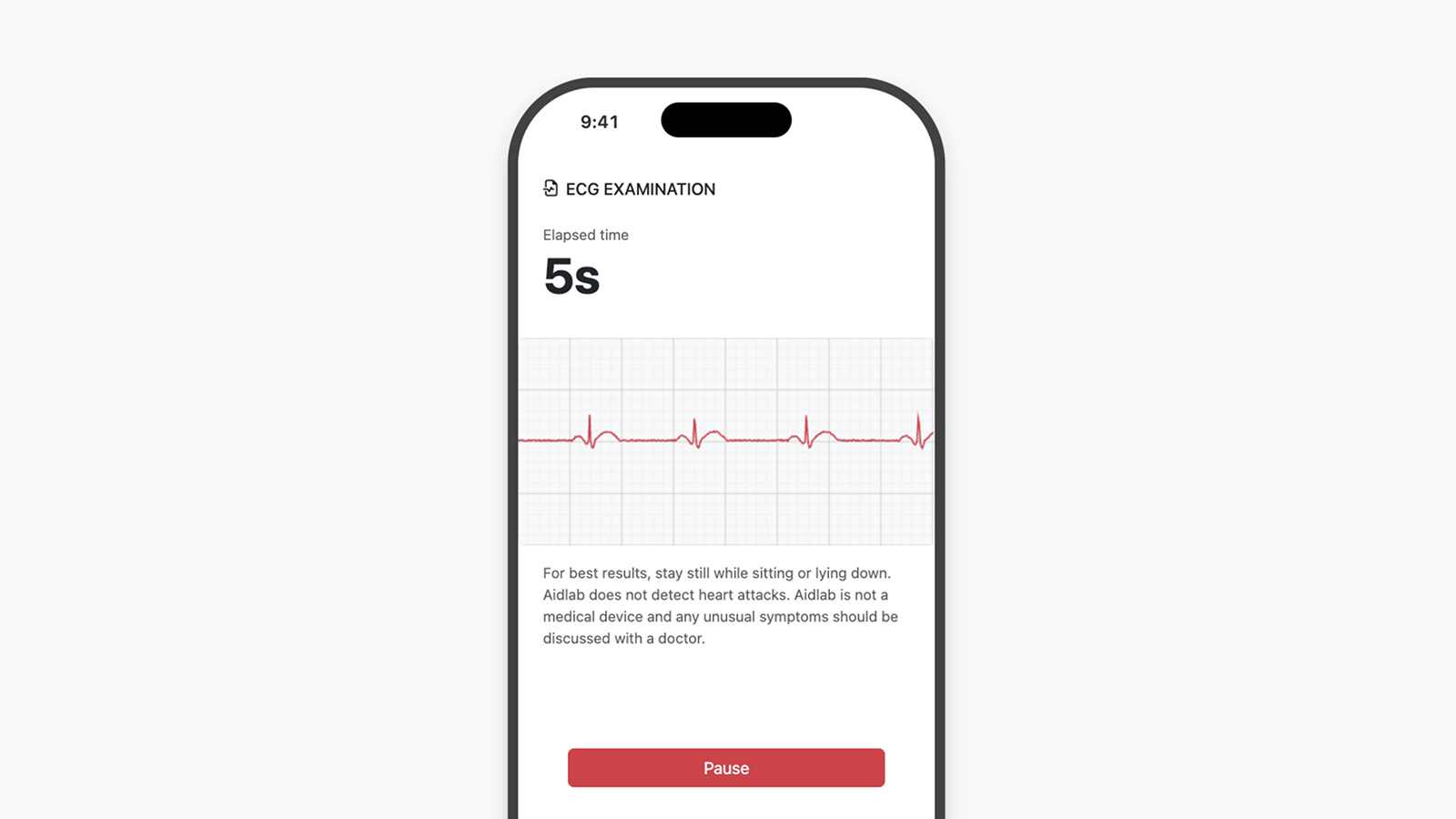
Depending on the model, app, firmware, accessories, and region, Aidlab can record signals including single-lead ECG, heart rate, respiration, movement, body position, and skin temperature, with related estimates in the app. Signal quality can change with fit, electrode contact, movement, sweat, skin condition, body position, and the environment.
That combination is useful for investigating relationships. You can compare heart rate with movement, respiration with a breathing exercise, or overnight patterns across several nights. Keep the conclusion proportional to the evidence: the recording can reveal a pattern worth repeating, discussing, or studying. It does not by itself explain the cause.
Sources
- Aidlab: intended use and safety
- Aidlab: measurement ranges and accuracy
- HERITAGE study of age-predicted maximum heart rate
- ESC/NASPE standards for HRV
- Guidelines for rigor and reproducibility of HRV
- Meta-analysis of wearable heart-rate and respiratory-rate monitoring
- Skin temperature and thermoregulation
- American Thyroid Association: thyroid function tests
- AASM: consumer sleep technology